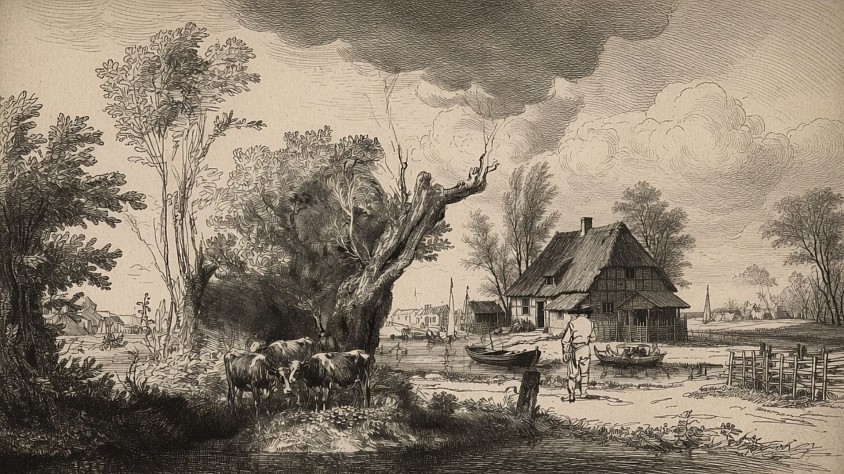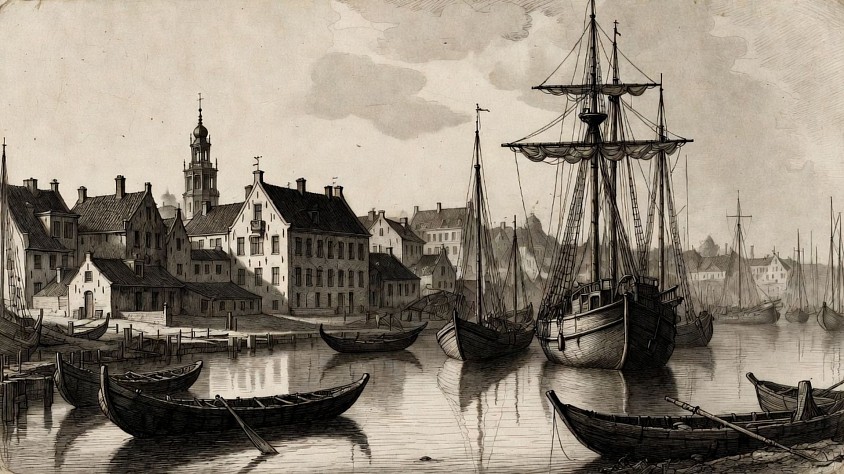
Rembrandt's Etchings
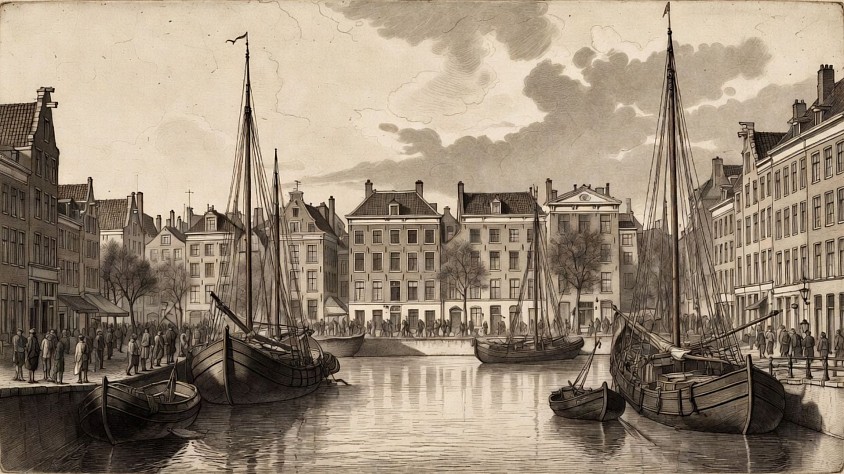
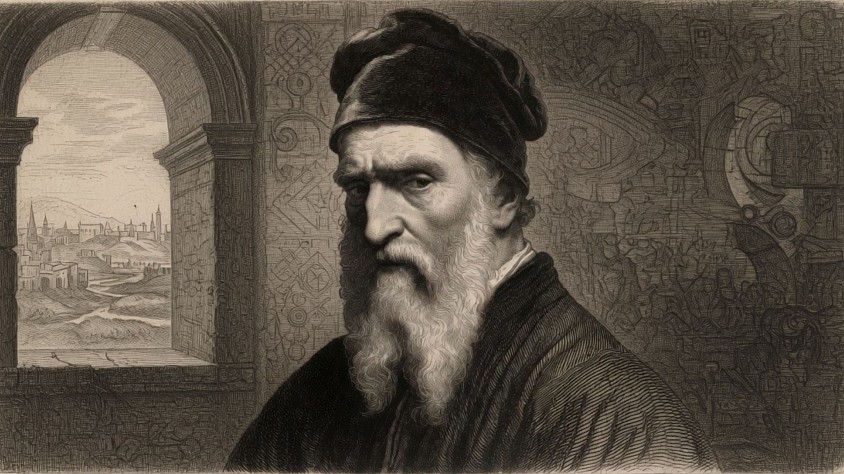
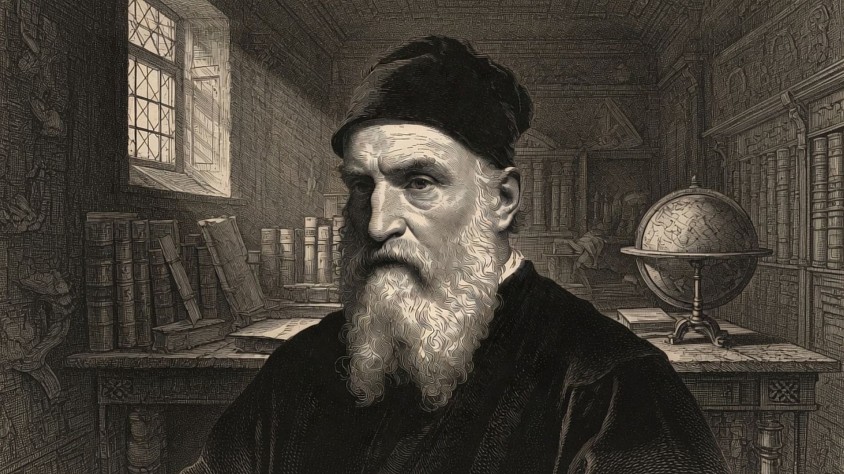
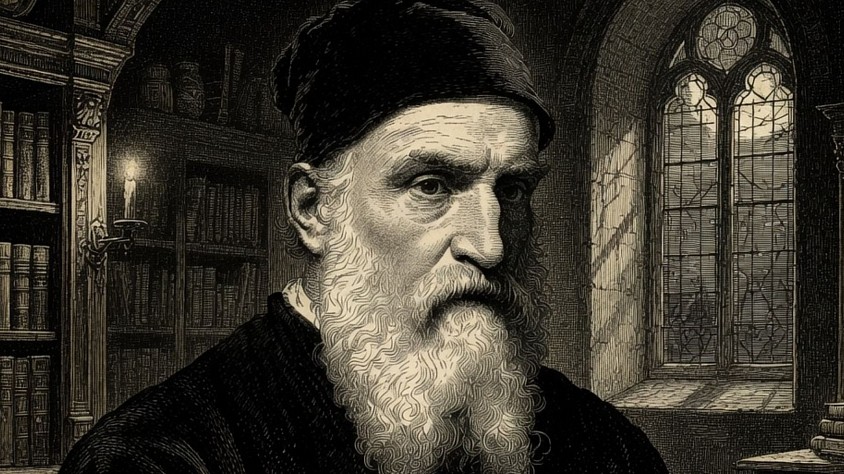
Rembrandt’s etchings stand among the supreme achievements of printmaking in the Western tradition. Between the late 1620s and the early 1660s he produced roughly three hundred plates, treating the copper surface with a freedom previously unknown. Needle, acid, and drypoint became extensions of his restless hand, allowing him to capture the play of light across wrinkled skin, the dense shadows of a nocturnal scene, or the quiet breath of a Dutch landscape. Biblical narratives, self-portraits, beggars, and intimate domestic moments all received the same searching attention. Through repeated states and experimental biting he turned etching into a medium of pure artistic invention rather than mere reproductive craft, leaving a body of work that continues to define the expressive possibilities of the printed line.
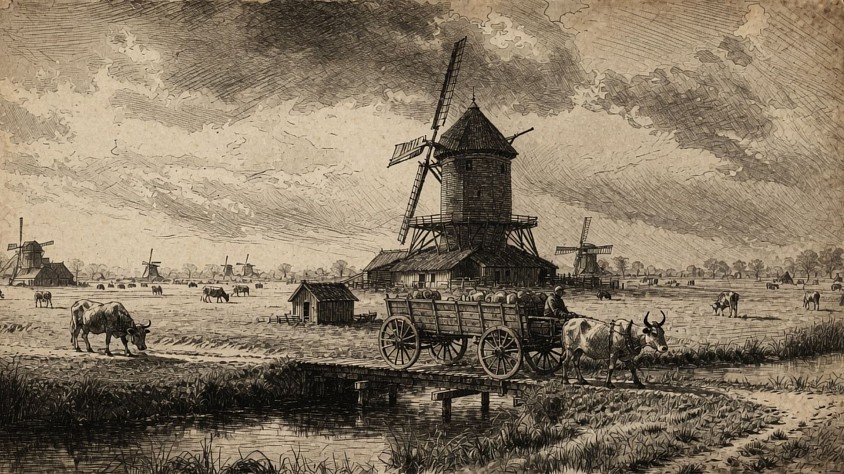
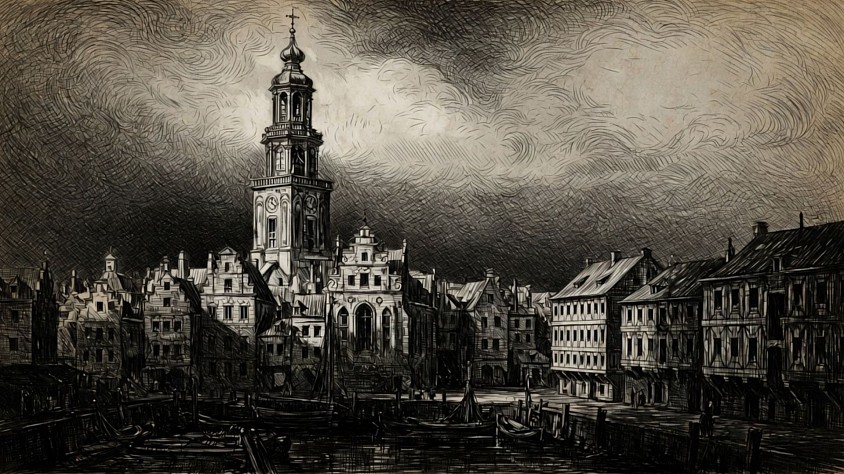
View on Leiden
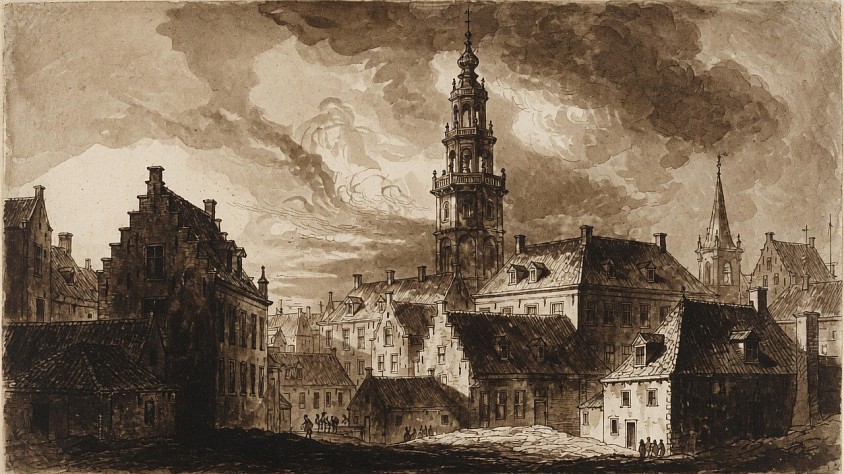
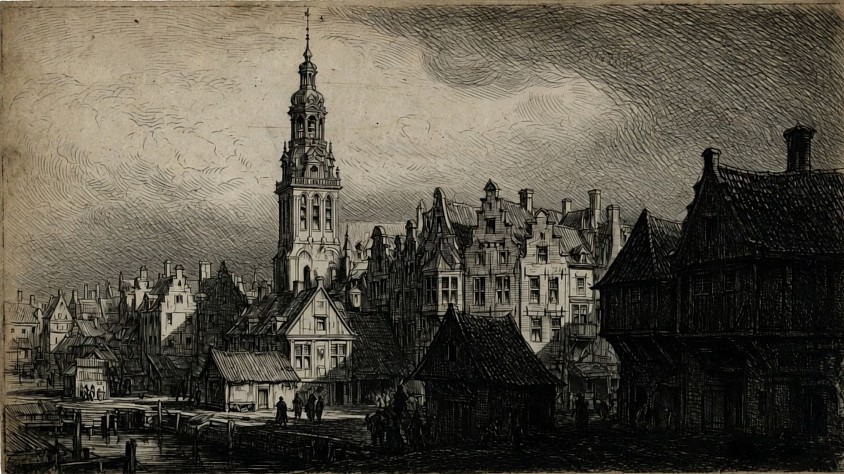
Westertoren
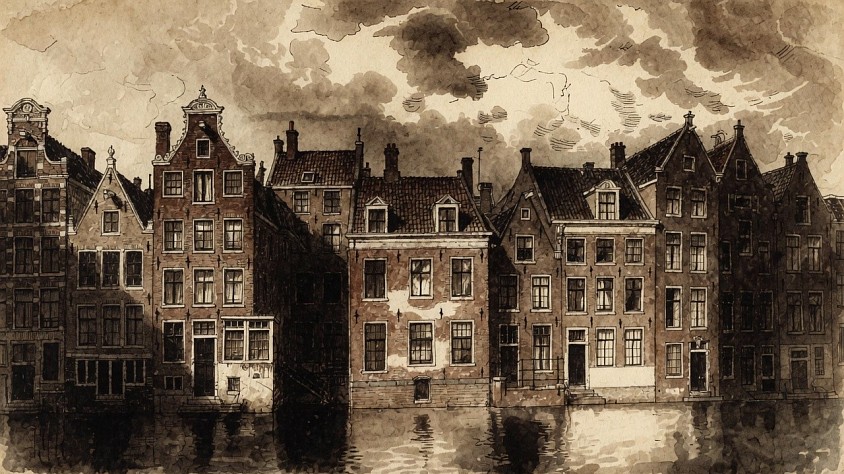
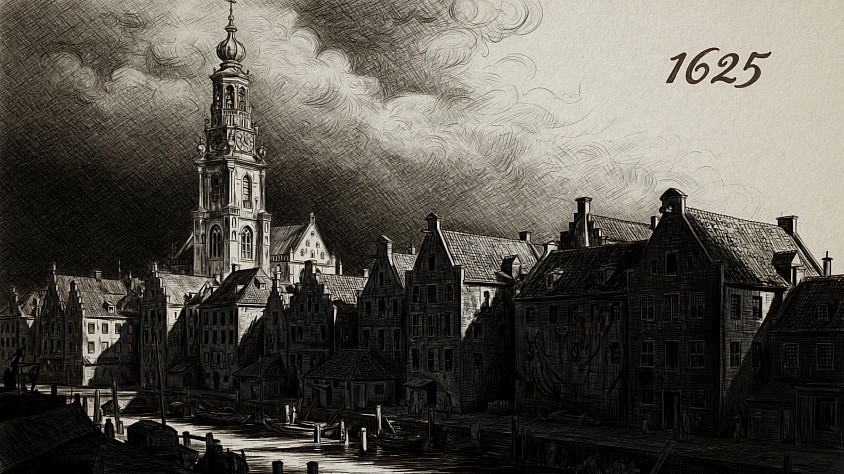
Damrak
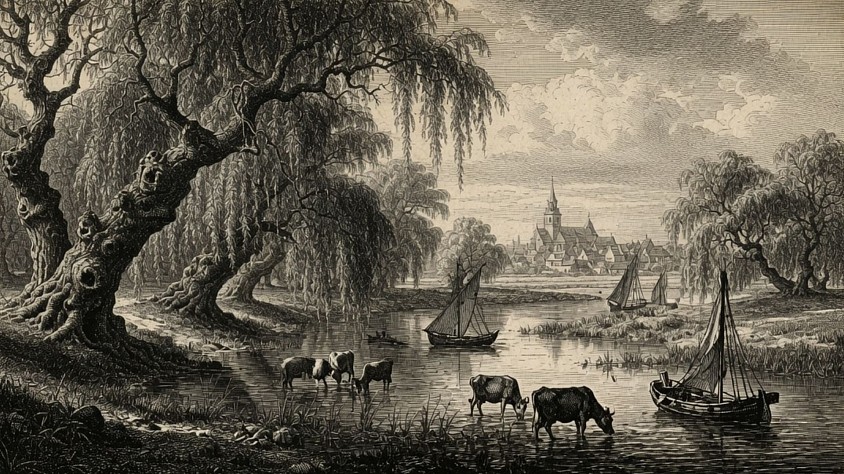
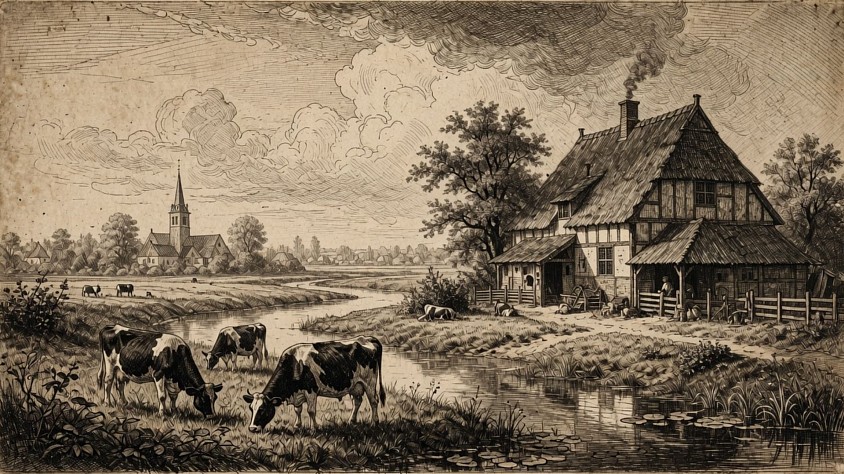
Riverscape
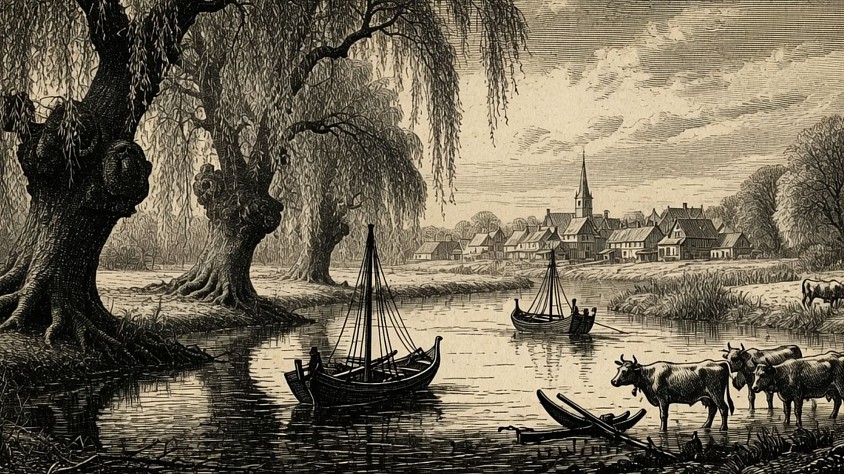
Riverscape
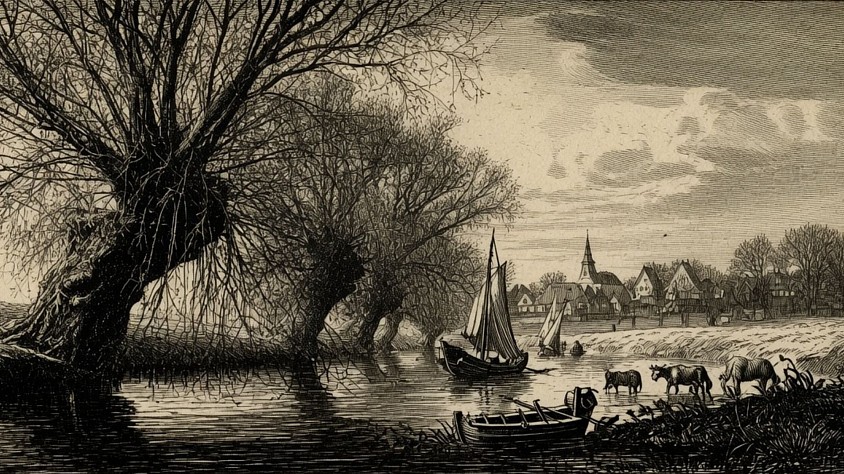
Riverscape
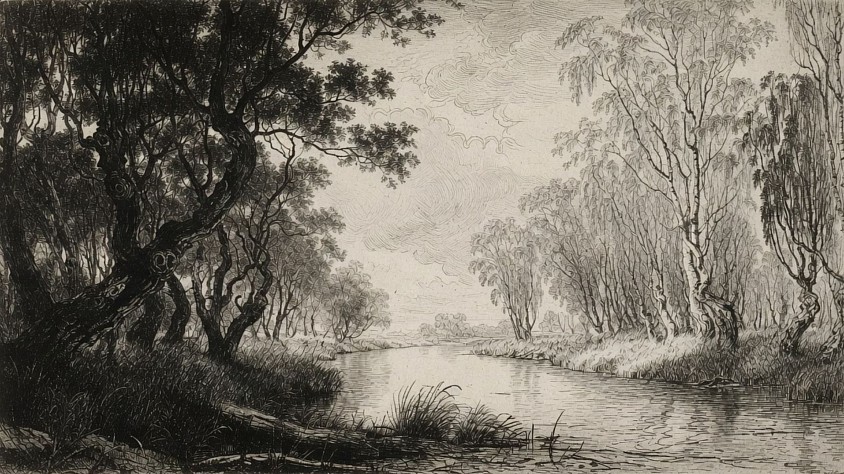
River Aemstel
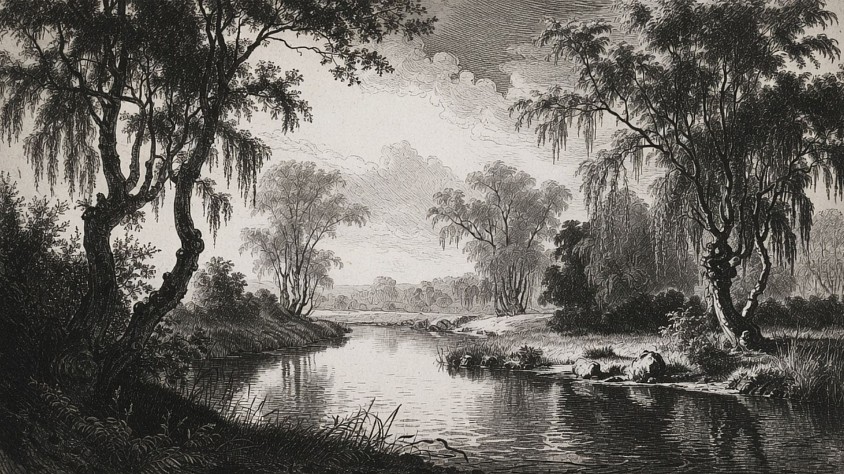
River Aemstel